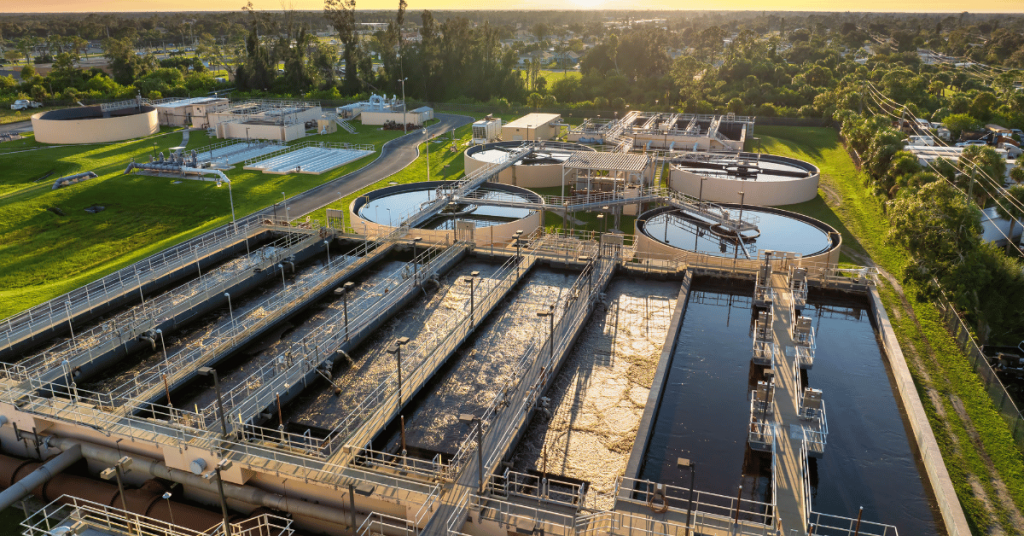
The regulatory framework for surface water treatment in the United States is more complex and more actively evolving than at any point in the sector’s recent history. Utilities drawing from surface water sources must navigate a layered set of requirements that have accumulated over decades, while managing the uncertainty of a regulatory environment that is simultaneously developing new standards and revising existing ones in response to emerging science, political priorities, and legal challenges.
For utility leaders, engineers, and capital planners, understanding the current state of the regulatory landscape and its likely trajectory is essential for making sound infrastructure investment decisions. Treatment plants that comply today need to be designed with sufficient operational flexibility to accommodate likely future requirements. And capital programmes that are being developed now need to reflect the regulatory context they will be operating in when facilities are commissioned in 2028 or 2030.
The Surface Water Treatment Rule Framework
The EPA’s Surface Water Treatment Rules (SWTRs) form the cornerstone of drinking water protection for surface water sources in the United States. The rules require filtered water systems to achieve specific levels of removal or inactivation for Giardia lamblia, viruses, Legionella, Cryptosporidium, and other pathogens, through a combination of filtration and disinfection. EPA guidance on Surface Water Treatment Rules provides detailed technical guidance for evaluating compliance with these requirements.
The rules have evolved significantly since the original SWTR was promulgated in 1989. The Enhanced SWTR, the Interim Enhanced SWTR, the Long-Term 1 Enhanced SWTR, and the Long-Term 2 Enhanced SWTR have progressively tightened requirements, particularly for Cryptosporidium removal, which proved to be inadequately addressed by earlier versions of the framework. The regulatory trajectory has been consistently toward more rigorous treatment requirements as pathogens that were not well characterised in earlier rules have become better understood.
PFAS: The Most Significant Current Regulatory Development
The most consequential recent development in drinking water regulation is the establishment of Maximum Contaminant Levels for PFAS compounds. EPA maintains MCLs of 4 parts per trillion for PFOA and PFOS, while extending the compliance deadline to 2031 to give water systems additional time to identify affordable treatment technologies and make necessary improvements.
For surface water treatment facilities, PFAS compliance has specific implications. Granular activated carbon (GAC) and certain membrane technologies are among the most effective treatment options for PFAS removal, but both require significant capital investment in treatment infrastructure that most existing surface water plants do not have. The 2031 compliance deadline provides a planning window, but given the capital planning, design, and construction timelines involved in major treatment plant upgrades, that window is narrower than it appears.
Utilities that have not already begun planning their path to PFAS compliance are at risk of finding themselves in a constrained position as the deadline approaches. Those that begin the planning and design process now, using rigorous analytical tools to evaluate the range of compliance pathways available to them, will be in a stronger position to make cost-effective investments that achieve compliance while managing capital constraints.
The 2026 Regulatory Environment
Beyond PFAS, the 2026 drinking water compliance landscape is shaped by several regulatory priorities. Lead and Copper Rule improvements are transitioning utilities from LCRR to LCRI requirements, expanding lead service line inventory requirements and updating sampling procedures. Nitrates, arsenic, and disinfection byproducts remain consistent enforcement priorities. And the regulatory oversight environment is becoming more data-driven, with inspectors increasingly evaluating how monitoring processes are supported and documented.
For surface water treatment specifically, the combination of heightened pathogen removal requirements under the SWTRs, emerging PFAS compliance obligations, and increasing scrutiny of disinfection byproduct formation creates a complex multi-parameter compliance challenge. Treatment systems that were designed to meet one set of requirements may create compliance risk on another: for example, aggressive disinfection for pathogen control can increase disinfection byproduct formation, potentially creating conflicts between pathogen removal and DBP compliance.
Planning for Regulatory Evolution
The most effective approach to regulatory risk management in surface water treatment capital planning is designing for anticipated future requirements, not just current ones. The pattern of regulatory evolution in drinking water is clear: standards have consistently become more stringent as scientific understanding advances, and there is no reason to expect this trend to reverse.
Capital planning tools that can evaluate treatment options against multiple regulatory scenarios, including both current requirements and plausible future ones, allow utilities to identify investments that are robust across the regulatory trajectory rather than optimised for today’s standards alone. Generative design platforms that incorporate accurate treatment performance models for multiple contaminant classes support this kind of forward-looking regulatory analysis from the earliest stages of capital planning.
The utilities that navigate the evolving regulatory landscape most effectively will be those that treat regulatory planning as an integral part of their infrastructure investment process, rather than a compliance exercise that follows engineering decisions that have already been made.
To explore how Transcend supports regulatory-compliant surface water treatment planning and design, visit transcendinfra.com.