Every serious technology provider in the water and wastewater sector has, in some form, a body of engineering knowledge that defines how their products perform. Sizing rules. Process guarantees. Integration specifications. Cost models. Performance curves across different operating conditions. This is their design DNA, and it represents years, sometimes decades, of application experience distilled into a set of principles that an experienced application engineer can deploy on any project.
The challenge is that this knowledge is almost never where it needs to be when it matters most. It lives in engineering guides that consultants do not have time to read. In spreadsheet tools that only work for the people who built them. In the institutional memory of application engineers who will eventually retire. And in proposal documents that take days to produce and are regenerated from scratch each time.
Standardization, in the deepest sense, means encoding this knowledge into shared infrastructure so that it can be deployed consistently, at scale, without depending on specific individuals or manual processes. In today’s water infrastructure market, that shared infrastructure is increasingly digital, and the OEMs that understand how to embed their design DNA into it are the ones that will have the widest and most durable commercial reach.
The Problem with Non-Standardized Knowledge
Before addressing the solution, it is worth being precise about the cost of non-standardized knowledge in an OEM’s commercial operation.
The most immediate cost is speed. In a market where engineering teams are evaluating multiple technology options simultaneously under time pressure, the supplier that can provide detailed, accurate technical and commercial information fastest is the one that gets specified. When producing that information requires engaging a senior application engineer, coordinating across departments, and generating a custom document for every request, the response time is measured in days. In Brazil’s fast-moving concession and PPP environment, that pace is a structural disadvantage.
The second cost is consistency. When proposal generation depends on individual engineers, the output reflects individual judgment rather than organizational standards. Different team members make different assumptions. Regional offices use different cost models. Distribution partners generate documents that do not reflect current product specifications. The result is a fragmented commercial presence that undermines technical credibility and makes it harder to defend the quality of any individual proposal.
The third cost is scale. An OEM whose commercial operation is constrained by the availability of senior application engineers cannot grow its market presence faster than it can grow that team. In a market like Brazil, where project volume is expanding rapidly across dozens of states and hundreds of municipalities, that constraint is a ceiling on commercial ambition.
What Embedding Design DNA into Generative Software Actually Involves
Encoding an OEM’s design knowledge into a generative design platform is a more structured process than it might initially appear. It is not simply about uploading a product catalog or providing a set of sizing tables. It involves translating the engineering logic that experienced application engineers carry in their heads, and in their spreadsheets, into a set of rules and parameters that a software system can apply automatically to any project context.
This includes process performance parameters: how the technology behaves across different flow rates, influent quality ranges, and treatment objectives. It includes equipment sizing logic: the rules that determine what configuration is appropriate for a given set of project constraints. It includes cost structures: the capital and operational cost parameters that allow a platform to generate credible budgetary estimates without manual input. And it includes design standards: the specifications and integration requirements that ensure the technology works correctly within a broader treatment system.
When this knowledge is properly encoded, the Transcend Design Generator can deploy it automatically across any project scenario that an engineer or utility runs on the platform. The OEM’s design DNA becomes part of the computational infrastructure that generates preliminary designs, budgetary estimates, and engineering documentation for water and wastewater projects globally.
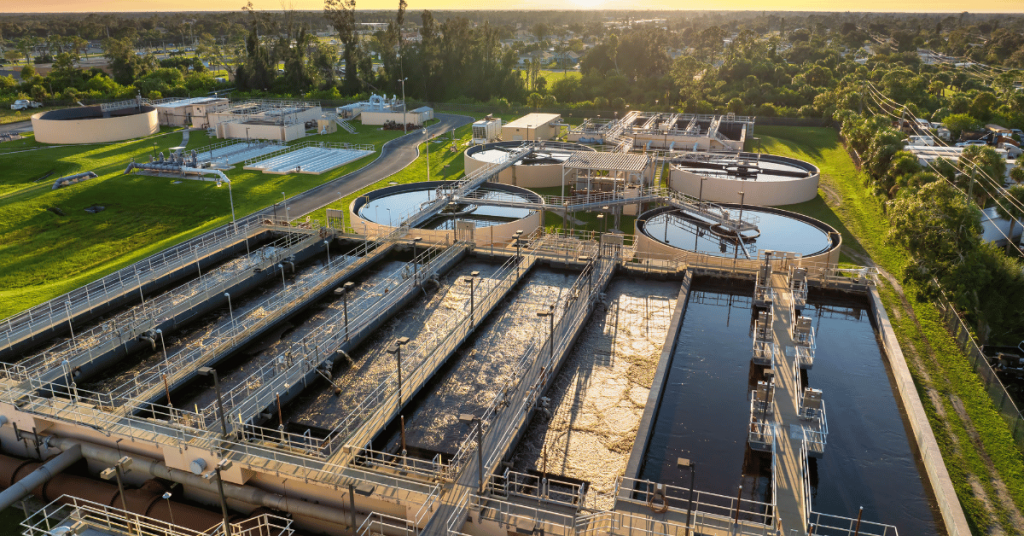
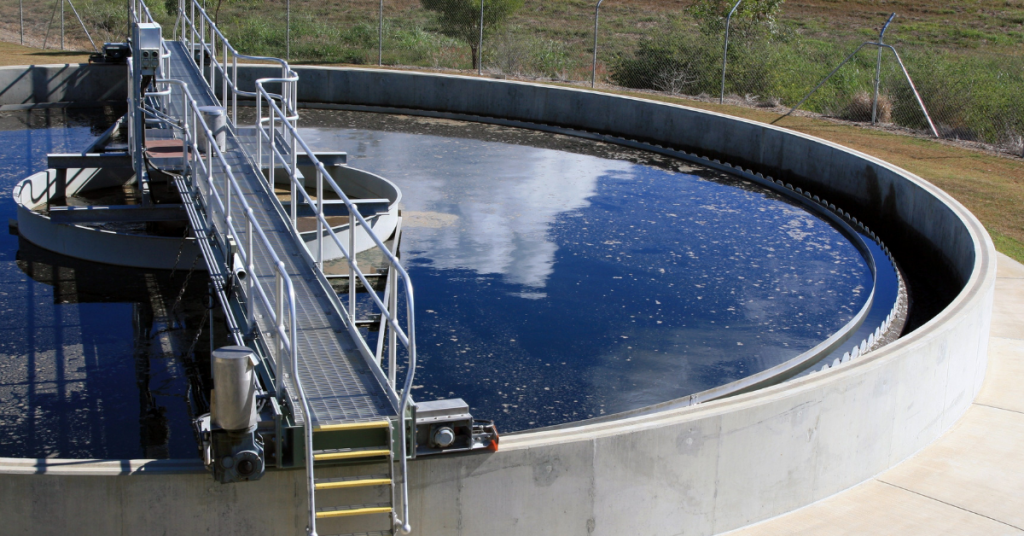
Royal HaskoningDHV’s integration of Nereda aerobic granular sludge technology through the Transcend Nexus program illustrates what this looks like in practice. By encoding Nereda’s process logic and performance parameters into TDG, the technology can now be evaluated automatically during optioneering runs across global water projects, including those driven by utilities like SABESP and Caesb in Brazil. Engineers comparing treatment alternatives see Nereda as an option, with accurate performance and cost data, without any manual intervention from Royal HaskoningDHV’s application team.
The Competitive Logic of Standardization
The competitive advantage of embedded design DNA compounds over time. Every project on which a platform generates an option incorporating an OEM’s technology is a project where that technology is being considered. Every evaluation that produces a credible, engineering-quality output for that technology is evidence of its fitness for purpose. And every project that converts from evaluation to specification represents revenue that began with a digital interaction rather than a sales call.
For OEMs operating in Brazil, where the project pipeline is expanding across enormous geographic diversity, the scale effects are particularly significant. A technology provider cannot maintain application engineering coverage across every state, every concession, and every engineering firm simultaneously. But a technology provider whose design DNA is embedded in the platform that those engineering firms use can have effective coverage everywhere, at all times, without proportionally increasing headcount.
This matters for distribution channels too. Regional agents and distribution partners who previously lacked the technical capacity to generate credible preliminary designs can now produce engineering-quality proposals using a platform that incorporates the OEM’s own design standards. The quality of commercial engagement improves across the entire network, not just at the centre.
Protecting What Makes You Different
A common concern among technology providers considering this kind of integration is the protection of proprietary knowledge. Embedding engineering logic into a shared platform raises questions about intellectual property, competitive sensitivity, and control over how the technology is represented.
These concerns are legitimate, but they are addressable. Well-designed platforms, including TDG, incorporate role-based access controls, configurable guardrails, and IP protection mechanisms that allow OEMs to share the information needed to generate accurate designs without exposing the underlying engineering principles that represent their competitive advantage. The goal is to make the technology evaluable, not to make it replicable.
The risk of not engaging, of keeping design DNA locked in internal tools and individual engineers, is ultimately greater than the risk of embedding it carefully in shared infrastructure. A technology that cannot be evaluated quickly and credibly is a technology that will not be specified.
Starting the Standardization Process
For OEM teams that have not yet begun the process of encoding their design knowledge into shared platforms, the starting point is an honest audit of where that knowledge currently lives. Which processes are documented? Which are in spreadsheets? Which exist only in the expertise of specific individuals? The answer to these questions defines the scope of the standardization effort and the urgency of beginning it.
Brazil’s infrastructure programme is not waiting. With BRL 75 billion in private water sector investment anticipated in 2025 alone, the engineering workflows that will shape technology specification decisions are being established right now. The OEMs that embed their design DNA into those workflows first will be the ones whose technology is specified most widely as the programme accelerates.
To explore how Transcend works with technology providers to encode their engineering knowledge into shared design infrastructure, visit transcendinfra.com/oem.