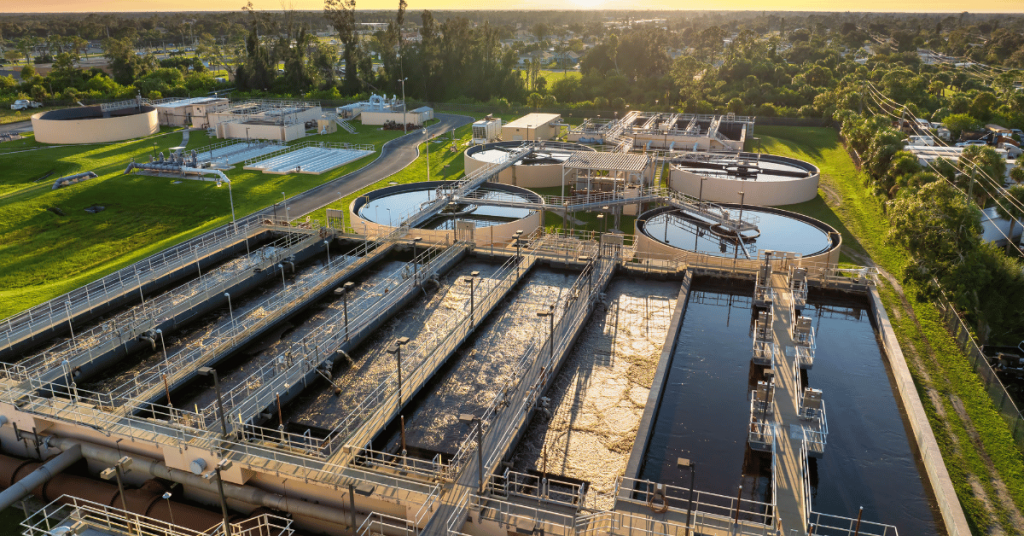
Energy is one of the largest operating costs for surface water treatment utilities. Pumping raw water from the source, running coagulation and mixing equipment, powering aeration and filtration systems, and producing the disinfectants needed for water safety all consume significant quantities of electricity. Electricity accounts for around 80% of municipal water processing and distribution costs, and that proportion has been rising as utilities invest in more energy-intensive treatment technologies to address emerging contaminants and stricter water quality standards.
For utility executives and capital planners, energy efficiency in surface water treatment is therefore both a sustainability objective and a financial one. The energy savings available from well-designed, efficiently operated treatment infrastructure are not marginal. They are often substantial, and they persist across the 30-year operational life of the facility. Over that time horizon, the financial value of energy efficiency investments, expressed in reduced operating costs and lower carbon footprint, can exceed the capital cost of the investments themselves.
But capturing these savings requires design decisions that most conventional planning processes do not adequately address. Energy efficiency needs to be considered at the design stage, when process configuration and equipment selection are established, not retrofitted into a completed plant at the operational stage.
Where Energy Is Consumed in Surface Water Treatment
Understanding where the most significant energy savings are available requires knowing where energy is consumed in surface water treatment.
Pumping is typically the largest single energy consumer in a water treatment system. Raw water pumping from the source to the plant, process pumping within the plant, and finished water pumping to the distribution system together account for a large fraction of total energy consumption. Pump selection, hydraulic design, and variable speed drive use significantly affect pumping energy efficiency. Systems designed with unnecessarily high head losses, or with fixed-speed pumps operating at part load, waste significant amounts of energy that better design could recover.
Aeration and mixing equipment for coagulation, flocculation, and biological treatment are a second significant energy category. Mixing intensity is an important design parameter: too little mixing reduces treatment efficiency, too much wastes energy and can break up forming flocs. Design that optimises mixing energy for the treatment requirements, rather than defaulting to conservative over-design, can reduce energy consumption in these stages significantly.
Disinfection systems, particularly those using ozone or UV, are energy-intensive treatment stages. UV systems consume electricity proportional to the dose applied; ozone systems consume electricity for generation. Where these systems are applied, ensuring that doses are calibrated to actual treatment requirements, rather than applied at fixed levels regardless of water quality, produces meaningful energy savings without compromising treatment performance.
Design Choices That Drive Energy Efficiency
The most important energy efficiency decisions are made at the design stage. Several specific design choices have particularly large effects on whole-life energy performance.
Hydraulic design affects pumping energy consumption directly. Facilities designed with minimal hydraulic losses, using gravity where possible and minimising unnecessary elevation changes and long pipe runs, consume less pumping energy over their operational life. For large facilities with significant raw water pumping requirements, hydraulic design optimisation can represent a material reduction in annual energy cost.
Process technology selection affects energy consumption in ways that are not always visible in capital cost comparisons. Some treatment technologies are inherently more energy-intensive than others. For example, membrane filtration systems for high-quality surface water treatment can offer excellent treatment performance but at higher energy cost than conventional filtration. Understanding the whole-life energy cost of different technology options, not just the capital cost, is essential for making investment decisions that optimise over the facility’s full operational life.
Equipment specification within each process stage also affects energy efficiency significantly. High-efficiency pump designs, variable speed drives, energy-efficient UV systems, and optimised aeration equipment all reduce energy consumption relative to standard specifications. The incremental capital cost of these specifications is typically recovered in energy savings within a few years of operation.
Generative Design for Energy-Optimised Treatment Plant Design
Generative design platforms that model energy consumption alongside CAPEX and OPEX in their design evaluations provide a mechanism for explicitly optimising energy efficiency at the design stage. The Transcend Design Generator generates comprehensive CAPEX and OPEX analysis for each design option it evaluates, including energy cost implications of different technology and configuration choices. This enables planning teams to identify the design option that minimises whole-life cost, rather than the one that minimises capital cost, which are often different configurations.
For utilities subject to net-zero operational emissions commitments, like UK water companies under AMP8’s 2030 net-zero targets, energy efficiency in surface water treatment is not just a cost management issue. It is a compliance requirement. Design processes that explicitly optimise energy performance alongside treatment performance and capital cost are essential for meeting these commitments without sacrificing treatment quality or incurring unnecessary cost.
To explore how Transcend’s generative design platform supports energy-optimised surface water treatment design, visit transcendinfra.com.